




Morritt's Resort on the East End of Grand Cayman
Morritt's Resort occupies a private stretch of oceanfront at the far eastern tip of Grand Cayman, on the reef-protected side of the island that most visitors never reach. It has welcomed guests for more than thirty years and is still family-run, and locals and long-time returnees often call it by its older name, Morritt's Tortuga Club. The address, 2289 Queens Hwy, tells you most of what you need to know: this is the East End coast road, well past the last roundabout, where the traffic thins, the buildings drop to low-rise, and the sea takes over the view.
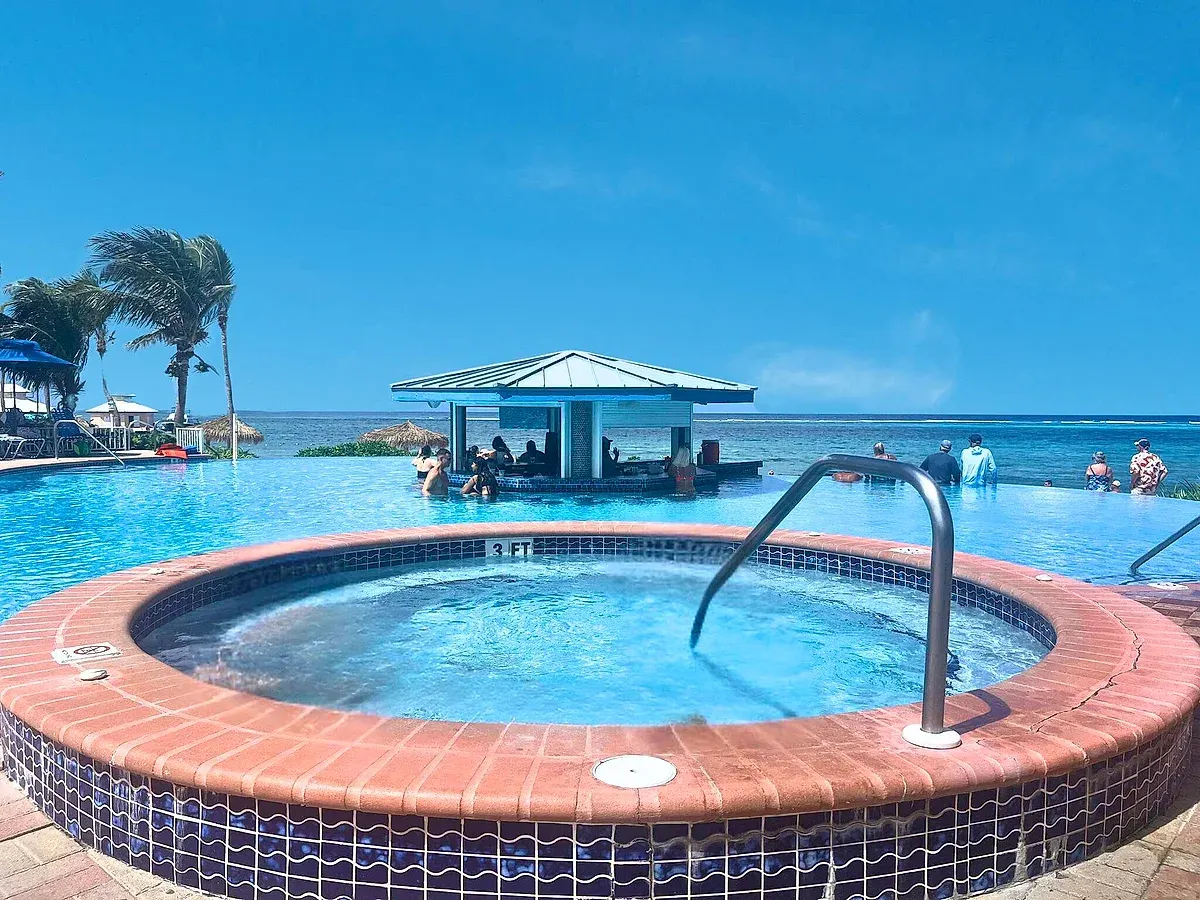
The resort is built along the water rather than stacked above it. Low buildings of suites and residences sit among lawns and palms, three pools anchor the middle of the property, and a swim-up bar keeps the afternoon honest. A wooden dock reaches out over a shallow lagoon, the reef line runs parallel to the beach a short swim out, and the sand is yours to walk without dodging a single vendor. Days here are unhurried by design. Nobody is trying to sell you a jet-ski from a beach cart.
What holds it together is a small family of on-site venues that give the resort its own centre of gravity. David's Oceanside is the main dining room, open to the sea for breakfast, dinner and a Sunday brunch the East End plans around. Mimi's Dock Bar pours rum punch on a deck built out over the water. The Cavern is the evening pub, for sundowners, live sport and a game of darts. Add the spa, tennis and pickleball courts, mini golf, a gym, and diving and watersports off the sand, and a stay can fill itself without the car ever leaving the lot.
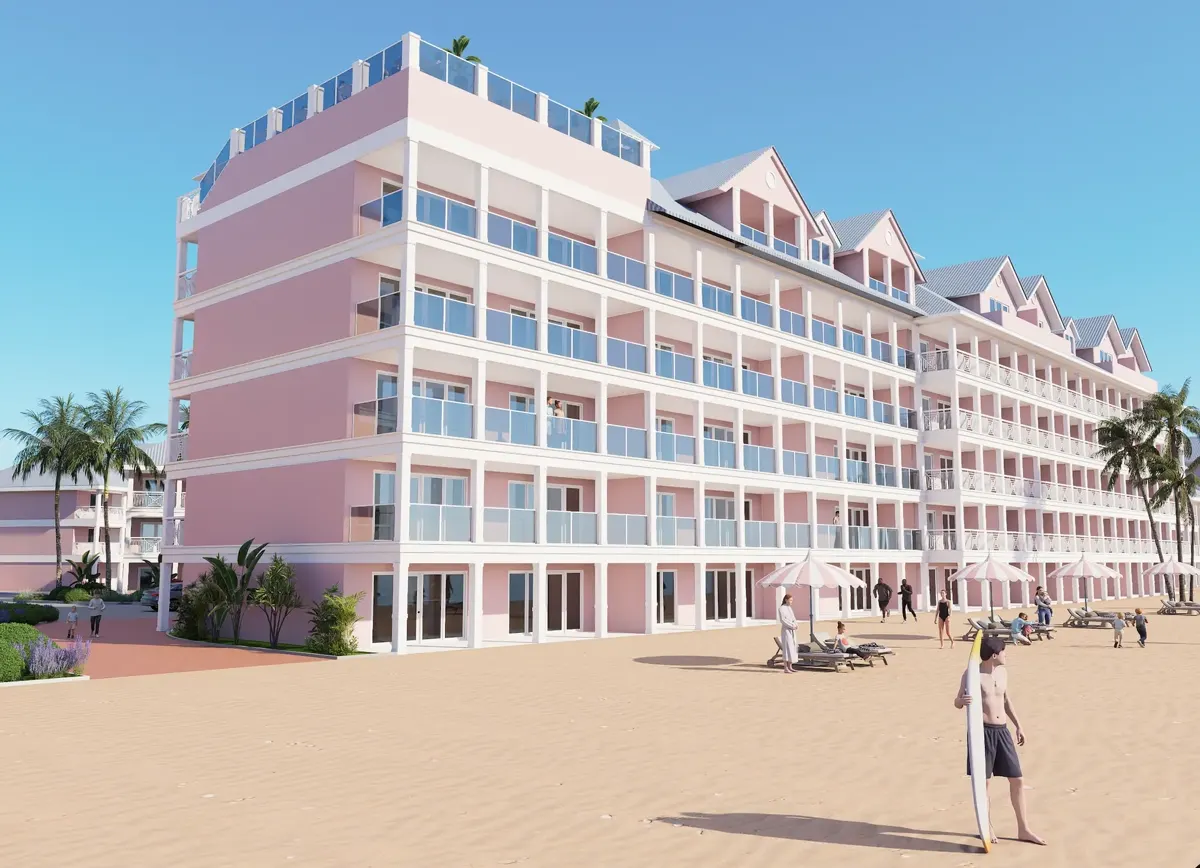
There are two ways to be here, and the resort is built for both. You can stay by the night, the way you would at any hotel, booking a suite for a week in winter or a long weekend on island. Or you can own your week for life through deeded week ownership, the same seven nights every year, in the same category of residence, with the option to rent it out through the resort when you are away. The newest chapter in that story is The Genevieve, a collection of fifteen oceanfront residences crowned by a rooftop pool, completing in the fourth quarter of 2026.
A resort that keeps East End time
The best way to understand Morritt's is to understand its pace. The East End is the quiet quarter of Grand Cayman, and the resort runs on that clock. Mornings are for the flat, clear water: a swim off the beach, a snorkel over the reef, a coffee on a terrace facing the sunrise, because this coast points almost due east and the sun comes up straight out of the sea. Middays belong to the pools and the swim-up bar, or a shaded lounger with a book. Afternoons stretch. Evenings are dinner, a drink on the dock, and a sky with more stars than most guests have seen in years, because there is almost no light pollution out here.
That rhythm is the product, not a happy accident. There is no casino, no nightclub strip, no procession of tour buses. The resort's own venues are the entertainment, and they are deliberately low-key: a good meal, a cold drink over the water, a match on the pub screen. Guests who arrive wound up from a city tend to unwind within a day, and the ones who come back year after year come back precisely because nothing much happens here, on purpose.
Stay by the night or own your week
For a first visit, most people book a nightly stay, and that is the simplest way to try the East End on for size. You reserve a suite, you come for a week or two, and you leave the property in the same condition you would leave any resort. Nightly guests get the full run of the place: the pools, the beach, the dock, the sport, the spa, the dining, and the watersports desk.
Owners take a longer view. Deeded week ownership means you hold title to a specific week in a specific residence, year after year, which turns an annual holiday into something closer to a second home you never have to maintain day to day. When your week comes around you arrive to a place that already feels like yours, and when you cannot use it, the resort's rental programme can put it to work. It is a different relationship with a holiday, and for the families who have been coming for decades, it is the whole point.
Why the East End is a different Grand Cayman
Most people picture Grand Cayman as Seven Mile Beach: the long west-coast strip of high-rise hotels, condos, beach bars and dive shops that sits a few minutes from George Town and the cruise port. It is a genuinely beautiful beach and a fine holiday, but it is busy, built-up and priced accordingly, and in high season it can feel like a resort city with sand. The East End is the opposite end of the island in every sense. It is rural, residential and quiet, the development is sparse and low, and the pace is set by the sea and the weather rather than by a schedule of activities.
Geography is the reason for the difference. Seven Mile Beach faces west into the open Caribbean, which gives it famous sunsets and, on breezy days, a little more surf and seaweed. The East End faces east and is wrapped by an almost continuous barrier reef that sits close to shore, so the water inside the reef is protected, shallow and calm for long stretches of the coast. That protected water is why the resort can put a bar on a dock and let guests snorkel off the ladder, and it is why families with small children find the East End easier than the open west coast.
The trade-off is honest and worth stating plainly. On Seven Mile Beach you are within walking distance of dozens of restaurants, shops, supermarkets and bars, and a taxi to town or the airport is quick. On the East End you are about forty-five minutes to an hour from George Town, dining options off-resort are limited, and you will almost certainly want a rental car if you plan to explore. In exchange you get space, silence, dark skies, a reef at your feet and a stretch of coast that still feels like the Cayman of a generation ago.
For divers and snorkellers the East End arguably wins outright. The reefs on this side of the island see far less traffic, the wall diving off the north-east coast is world-class, and the sites are minutes from the dock rather than a long boat ride. For anyone whose ideal holiday is a lounger, a book, a reef and a rum punch, rather than shopping and nightlife, the East End is not a compromise. It is the reason to come.
Seven Mile Beach versus the East End, honestly
Choose Seven Mile Beach if your priority is convenience: walkable restaurants and bars, easy shopping, quick transfers, a lively beach scene and a short hop to the sandbar and Stingray City tours in the North Sound. It suits first-timers who want everything close, groups who want nightlife, and anyone on a short trip who does not want to spend time driving.
Choose the East End if your priority is peace, water and space. It suits divers, families with young children who want calm shallows, couples who want quiet, remote workers who want a desk with a sea view, and returning visitors who have already done the west-coast circuit and want the other Cayman. Many islanders will tell you the East End is where they go to escape their own island, which is about the highest recommendation a place can get.
The wider East End district
Morritt's does not sit in isolation. The East End district is a real Caymanian community with a long history, its own church spires, small grocery stores, fishermen working the reef passes, and landmarks that predate tourism entirely. The Wreck of the Ten Sails memorial at Gun Bay marks a famous 1794 shipwreck, the Blowholes fire spray up through the ironshore on the south coast just west of the resort, and the drive out here passes through Bodden Town, the island's original capital, or along the greener North Side, depending on your route.
That context matters because it changes what a stay feels like. You are not inside a sealed resort bubble with a fence around it. You are on the edge of a living village at the quiet end of a small island, which means the reward for stepping off the property is real: a roadside fish fry, a country church on Sunday, a beach with nobody on it, a stretch of ironshore where the sea puts on a show for free.
The oceanfront setting: reef, lagoon and light
The single fact that shapes everything at Morritt's is the reef. A barrier reef runs parallel to the shore a short way out, roughly a hundred yards off the beach in front of the resort, and it does the quiet work of a breakwater. Ocean swell rolls in from the open Caribbean, meets the reef, and breaks there, so the water between the reef and the sand stays flat, shallow and clear for most of the year. That protected band of water is the lagoon, and it is the reason this coast feels so gentle even when the wind is up.
Because the East End points almost due east, the light here runs in the opposite direction to the famous Seven Mile Beach sunsets. Mornings are the event. The sun climbs straight out of the sea in front of the resort, the reef line catches the first light, and early risers get the beach, the dock and the reef to themselves before breakfast. It is one of the few resorts in Cayman where the coffee-on-the-terrace sunrise is genuinely worth setting an alarm for. Evenings turn the other way, and the sky behind the resort softens into long pastel dusks over the interior of the island.
The water itself is the clear, banded turquoise that Cayman is known for, shading from pale over the sand flats to deeper blue at the reef crest and darker still beyond it where the wall drops away. Under the dock the water is shallow and clear enough that guests routinely watch yellow tail snapper, parrotfish and the occasional small stingray pass through without ever getting wet. It is the kind of setting where the scenery does the work and nobody has to schedule anything.
Because there is so little development out here, the nights are as much a feature as the days. With almost no light pollution on this end of the island, the star field over the East End is dense and bright, and on a clear, moonless night the Milky Way is visible from the beach. Guests who live under city skies tend to be genuinely startled by it. Bring nothing but a lounger and a drink, look up, and the East End gives you a show that the busy end of the island simply cannot.
The house reef
The reef off the beach is the resort's headline amenity, and it is free, always open and a few steps from your towel. Fin out over the sand flats and the bottom builds into coral heads, sea fans and patch reef holding the usual East End cast: sergeant majors, blue tangs, parrotfish grinding at the coral, snapper hanging in the current, and rays cruising the sand between the heads. It is easy, shallow snorkelling that suits complete beginners and keeps experienced fish-watchers happy for hours.
For the exact boundaries of the swim area, current conditions on the day, and guidance on where to enter and exit safely, check with the resort's watersports desk when you arrive. Conditions on any reef change with wind and tide, and the staff who watch this water every day are the right people to ask. If you have never snorkelled before, this is close to an ideal place to learn, because the water is calm, shallow and clear and you are never far from the sand.
The lagoon and the beach
The lagoon inside the reef is the resort's swimming pool that happens to be the sea. It is shallow, warm and generally calm, which makes it forgiving for children, nervous swimmers and anyone who just wants to float. The beach in front of the property is a private stretch of pale sand with loungers, palms for shade and the dock at one end, and because this is the East End there is no crush of people and no line of jet-ski rentals. You can walk it end to end and pass more pelicans than tourists.
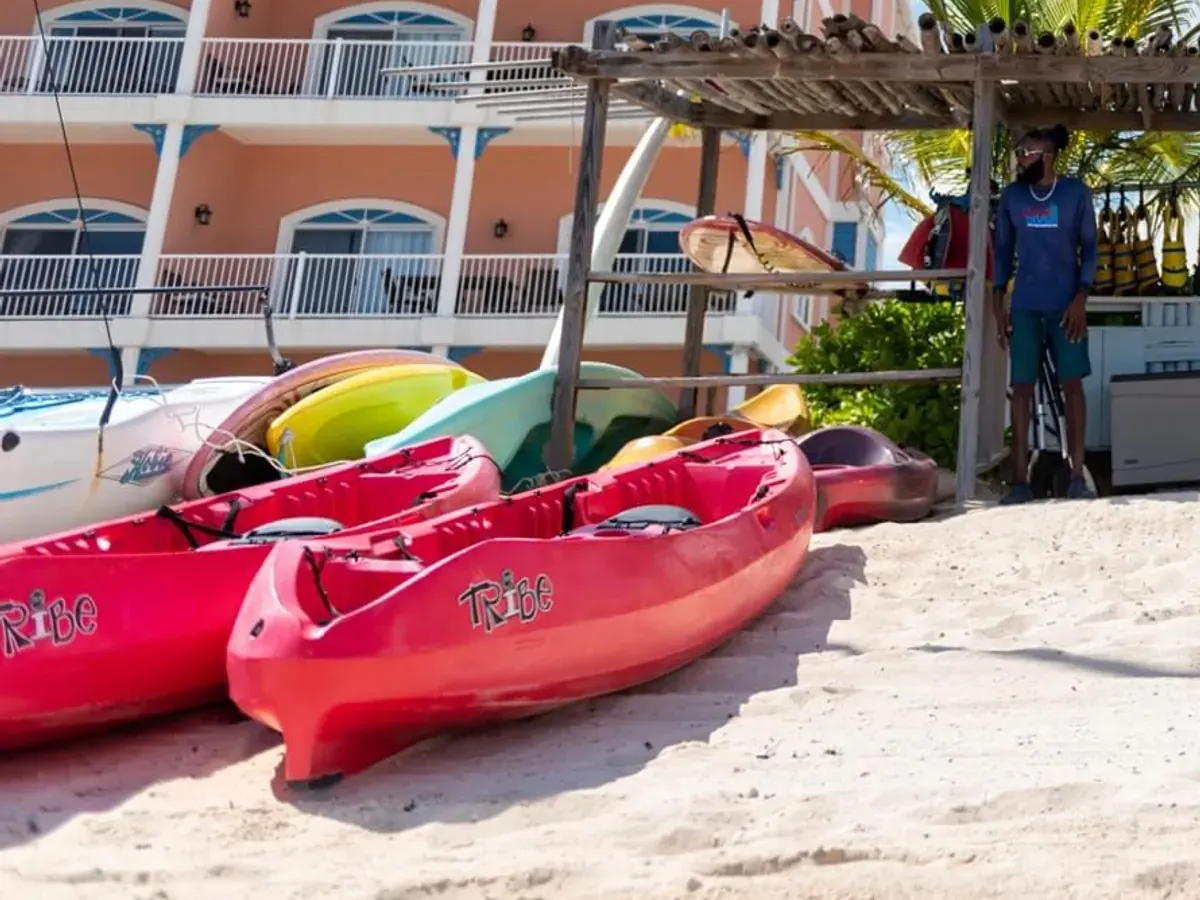
The beach is also the launch point for the resort's watersports: kayaks and paddleboards go straight off the sand into the flat lagoon water, and the reef and dock are both within an easy paddle. For the precise slate of complimentary versus paid equipment, rental hours and any deposit, confirm with the watersports desk, because those details change with the season.
Resort life: pools, sport, spa and slow days
For all that the sea is the star, Morritt's is a full resort, and plenty of guests happily spend a whole day without leaving the property. Three pools give you a choice of moods, a swim-up bar keeps drinks within arm's reach, and a genuine spread of sport and leisure means there is always something to do that is not simply lying down, if you want it. The point of the East End is that you never have to, but the option is there.
The layout keeps everything close. The pools sit in the middle of the property, the beach and dock are a short walk one way, the courts and mini golf are nearby, and the dining venues bracket the day at either end. You are never far from a drink, a lounger, a shower or shade, and the whole place is walkable in a few minutes, which is exactly what you want on a hot afternoon with children in tow.
Because it is family-run, the service tends to be personal rather than corporate. Staff learn returning guests' names, the front desk fields the theme-night reservations, and the food and beverage team handles room service for owners and renters. It is a resort with a memory, which is part of why so many guests come back to the same week every year.
Three pools and the swim-up bar
Three pools mean you can pick your scene. There is room for the splashing, cannonballing, marco-polo energy of a family afternoon, and there is room to find a quieter corner of water when the day guests have gone home and the property empties out. The swim-up bar is the social heart of the middle of the day: order a rum punch, a beer or a soft drink without leaving the water, and let the afternoon look after itself.
For exact pool hours, which pool is heated or shaded, and any adults-only or family-designated areas, check with the front desk on arrival, since these arrangements can shift by season and occupancy. What does not change is the basic promise: warm water, shade within reach, a drink you can order without drying off, and the sea a few steps beyond.
Tennis, pickleball, mini golf and the gym
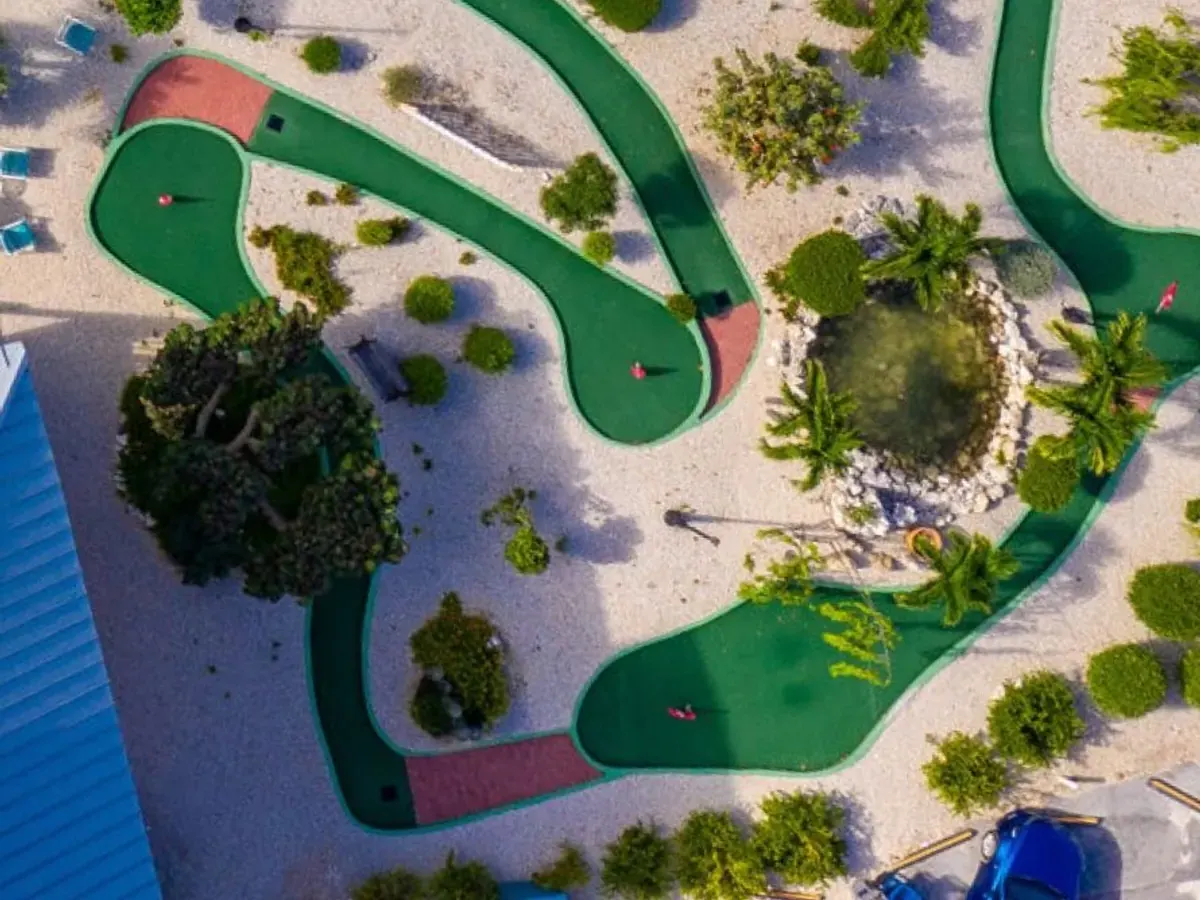
The active side of the resort is broader than most East End properties. There are tennis and pickleball courts for a morning match before the heat builds, mini golf for an easy family hour, and a gym for guests who like to keep a routine on holiday. None of it is elaborate, and that is the point: it is enough to keep the restless entertained and the children busy without turning the resort into a theme park.
Pickleball in particular has become a favourite with the returning crowd, and a friendly morning game is an easy way to meet the other long-stay guests and owners. For court booking, equipment loan and any fees, ask at the front desk. Early morning and late afternoon are the sensible times to play, before and after the midday sun.
The spa and the slow morning
The spa is the counterweight to all the water and sport, and it fits the East End brief exactly: it is for the slow mornings, the ones where you have no plan beyond a treatment and a nap. A massage after a long dive day, or simply an hour of quiet while the rest of the family is at the pool, is one of the small luxuries that makes a week here feel longer than seven days.
For the current treatment menu, spa hours, pricing and how far ahead to book, contact the resort directly, since the spa's offering is updated through the season. In high season, booking a day or two ahead is the safe move, because the returning guests know to reserve their favourite slots early.
Diving and watersports off the property
Grand Cayman is one of the world's great dive destinations, and the East End is where a lot of the serious diving happens, away from the crowds. The resort has diving and watersports built into what it offers, and the geography does the rest: the reef is right there off the beach, the wall diving on the north-east corner of the island is close, and the boat rides to the best sites are short. For a diver, staying out here means less time in transit and more time in the water.
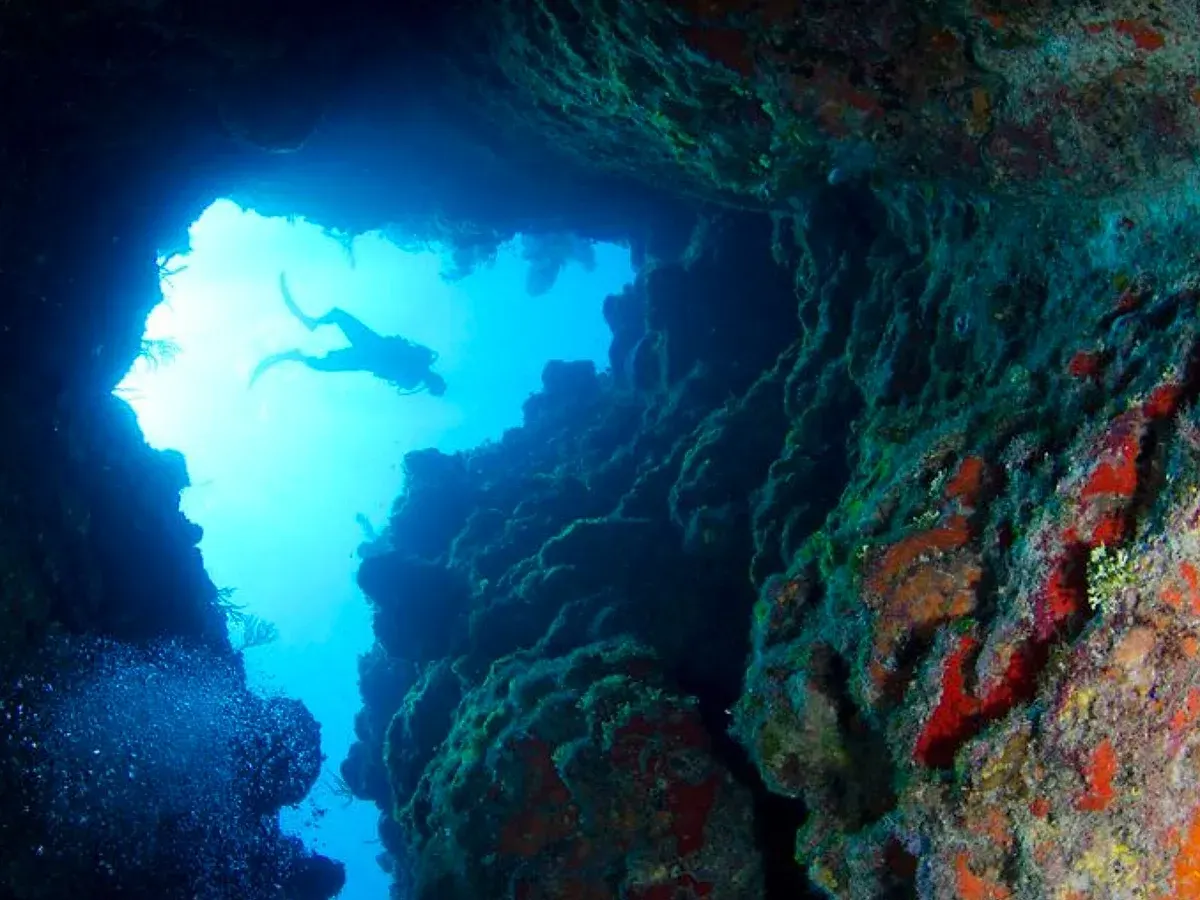
The appeal starts in the shallows and runs straight off the shelf. Inside the reef you have easy snorkelling and shore access to coral heads and fish life. Out at the reef crest the coral gardens build into the classic Cayman fringing reef, and beyond it the bottom falls away into the wall, the dramatic vertical drop that made Cayman diving famous. On a wall dive you hang in blue water with the reef face on one shoulder dropping into darkness below, sponges and sea fans jutting out, and the chance of turtles, eagle rays, reef sharks and big pelagics cruising the edge.
Because the East End sees far less dive traffic than the west coast, the reefs here tend to be healthier and the sites less crowded, and it is common to have a mooring more or less to yourself. Visibility in Cayman is routinely excellent, often well over a hundred feet, and the water is warm enough year round that many divers wear only a thin wetsuit or a skin. That combination, easy access, short boat rides, big walls and clear warm water, is exactly what puts the East End on serious divers' lists.
For the specifics of the resort's dive operation, the courses on offer, tank and equipment rental, boat schedules, and current pricing, contact the resort or its watersports desk directly. If you are not yet certified, Grand Cayman is one of the best places in the world to learn, with calm, clear, shallow water for training and a gentle progression out to the reef. If you already dive, bring your certification card and log, and confirm the day's dive plan and any nitrox or specialty options when you book.
Snorkelling straight off the sand
Not everyone wants a tank on their back, and the East End is a snorkeller's coast first of all. The house reef is reachable from the beach, the lagoon is calm, and the water is clear, so a mask, snorkel and fins are enough to spend a morning over the coral. Mimi's Dock Bar makes it even easier: guests step off the dock ladder, snorkel for twenty minutes over the fish that gather around the pilings, and climb back up for a drink without changing their plans.
For families this is the whole holiday in miniature. Children can build up their confidence in the shallow, protected water close to shore before venturing out to the reef, and there is always a lounger and a cold drink a short walk away. If you need to rent or borrow gear, or want guidance on the safest entry points and the current conditions, the watersports desk is the place to ask.
Diving the East End walls and reefs
The East End and the neighbouring North Side hold some of the most celebrated dive sites in the Caribbean, from sloping coral gardens in easy depths to sheer walls that drop thousands of feet into the Cayman Trench. Sites here are known for dramatic topography, swim-throughs and chimneys, healthy hard and soft coral, and regular encounters with turtles, rays and reef sharks. Because the resort sits at this end of the island, boats reach the moorings quickly, which means more dives per day and less time bouncing over open water.
Grand Cayman is also strong on shore diving and on structure: the island is famous for the sunken wreck dives elsewhere on its coast, and its marine park system has protected these reefs for decades, which is a large part of why the fish life is so consistent. For the exact sites the resort's boats run, depths, and whether specific dives suit your certification level, confirm the plan with the dive team when you book, and be honest about your experience so they can match you to the right site.
Kayaks, paddleboards and the lagoon
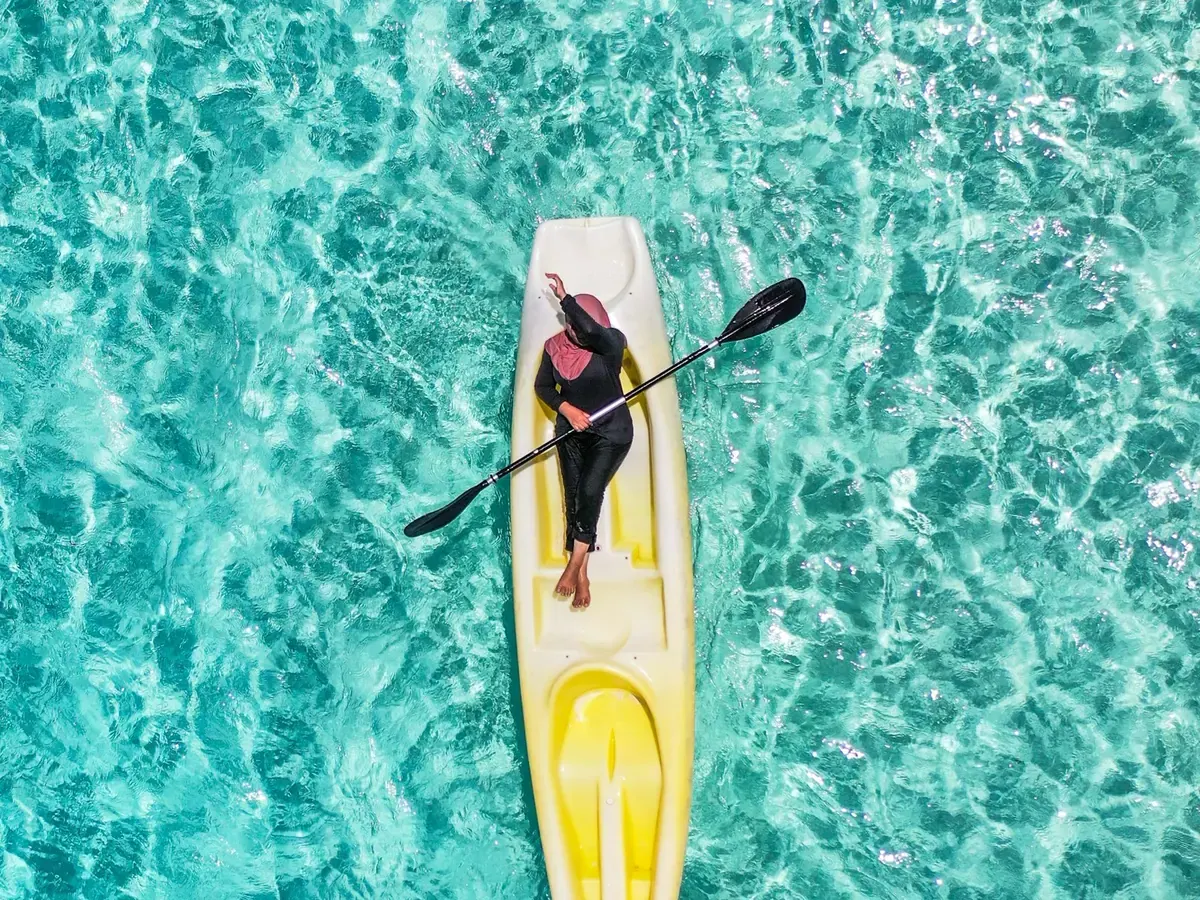
The flat lagoon inside the reef is made for paddling. Kayaks and stand-up paddleboards launch straight off the sand, and the calm, shallow water is forgiving enough for a first-timer to stay upright and confident. Paddle out toward the reef and you can look down through clear water at the coral and fish gliding underneath the board, then drift back on the light breeze to the beach.
It is a low-effort, high-reward way to see the reef without diving, and a good way to fill the hour before lunch or after the midday heat. For the range of equipment, whether it is included with your stay, and rental hours, ask at the watersports desk, since availability shifts with the season and the wind.
The dining family: David's, Mimi's and The Cavern
Most resorts have restaurants. Morritt's has a dining family, three distinct venues on one shoreline that between them cover the whole day and set the social rhythm of the place. David's Oceanside is the main room for meals, Mimi's Dock Bar is the daytime and sunset perch over the water, and The Cavern is the evening pub. You can build a full day around the three of them without repeating yourself, and because all three are on the property, you never have to drive to dinner.
Crucially for anyone touring the East End, all three welcome non-resort guests as well as owners and renters. That means a day-tripper doing the East End loop, the Blowholes, Gun Bay and the Crystal Caves up the road, can fold a meal on the water into the route, and it means the venues have a local following rather than a captive one. A resort restaurant that outsiders choose to drive out to is usually a resort restaurant worth eating at.
David's Oceanside Restaurant
David's Oceanside is the resort's main dining room, an open-air patio above the sand with ceiling fans, wooden decking and the reef line running parallel to the coast a short way out. It opens straight to the sea, so every service comes with the sound of the water and, in the morning, the sunrise over the reef. The room runs three services: breakfast from 7:30 am, then lunch and dinner, closing at 9:30 pm.
Breakfast mixes tropical fruit, cooked-to-order eggs and pancakes with the Caribbean-influenced plates and American classics resort guests expect. Lunch and dinner lean into what the East End does best: fresh local catch when the boats come in, alongside grilled steaks, pasta and Caribbean mains. The kitchen also runs a weekly programme of theme nights that regulars plan their week around, rotating through Italian, Caribbean, prime rib and seafood nights, and it handles room service for owners and renters.
The one booking to make in advance is Sunday brunch, an East End fixture that fills up early in high season, along with the theme nights. Reservations go through the Morritt's front desk on +1 345 947 7449. For the current menus, theme-night line-up and prices, confirm with the restaurant, since they change through the season.
Mimi's Dock Bar, the only dock bar in Cayman
Mimi's sits on a wooden dock that reaches out from the resort into the reef-protected lagoon, and it is billed by Morritt's as the only dock bar in Cayman. Whether or not you take the marketing literally, the description fits: the whole bar is built over water, the reef starts about a hundred feet out, and the water under the deck is clear enough that guests regularly spot yellow tail snapper, parrotfish and small stingrays passing beneath their feet. It is the East End's default sunrise coffee and sunset drink in one address.
The drinks list runs the Caribbean standards, rum punch, painkillers, mudslides, cold beer, wine by the glass and a small seasonal cocktail menu, and the food is casual bar fare built to be eaten off the pass: burgers, quesadillas, wings, fish tacos, conch fritters and a fried snapper platter when the local boats come in. The geography is the trick. This coast faces almost due east, so mornings catch the sunrise over the sea, and the reef takes the swell out of the water so it stays flat under the dock almost all year.
Guests routinely step off the dock ladder in swim gear, snorkel for twenty minutes over the fish that gather at the pilings, and step back up for a drink. In the late afternoon the light softens, the reef fish move in closer, and Mimi's becomes the coast's default sunset stop. It is open 11 am to 11 pm daily, takes no reservations, and welcomes non-resort guests. Walk in, find a rail, and stay for the sunset.
The Cavern
The Cavern is the resort's evening pub, and it plays the role every good pub plays: the place the day lands after the sun goes down. It is built for sundowners and live sport, with hearty pub fare, craft cocktails, and a round of darts or billiards to settle the evening. When there is a match on that people care about, this is where the resort gathers to watch it.
The Cavern opens at 4 pm and runs to 11 pm daily, which makes it the natural third act after a day on the water and dinner at David's or drinks at Mimi's. For the specific sport schedule, the food menu and the cocktail list, check with the resort, since fixtures and menus rotate. It rounds out the on-site trio so completely that a guest could, in theory, spend a week eating, drinking and watching the game without ever leaving the property.
Residences and week ownership: nightly stays versus owning your week
Morritt's has always been two things at once: a resort you can book for a night, and a residence collection you can own for life. Understanding the difference is the key to planning a stay, because it changes both how you book and what your accommodation feels like. Nightly guests and owners share the same beach, pools, dock, sport, spa and dining, but they arrive through different doors.
The accommodation is residence-style rather than standard hotel rooms, which means suites and apartments with room to spread out. That is a big part of the appeal for families and longer stays: space to cook a breakfast, do a load of laundry, put children to bed in a separate room and keep a normal rhythm rather than living out of a single hotel room for a week. For exact unit types, layouts, bed configurations and what is included in each category, confirm with the resort, since the inventory spans several buildings and eras.
Nightly stays
A nightly stay works like any resort booking: choose your dates, choose a suite category, and pay per night. It is the right choice for a first visit, a shorter trip, or anyone who wants the flexibility to come and go on their own schedule. You get the full run of the resort, and you can extend the East End into the rest of the island with day trips by car.
Because the East End is quieter and further from town, nightly stays here tend to attract people who already know what they want: divers on a dive week, families who want calm water and space, couples who want quiet, and returning guests testing a week before they think about owning one. For current nightly rates, minimum stays in peak periods and any packages, book through the resort directly on +1 345 947 7449 or its website.
Deeded week ownership explained
Deeded week ownership is the model Morritt's is built around, and it is simpler than the timeshare reputation suggests. You buy title to a specific week, or weeks, in a specific category of residence, and that week is yours every year, for life, to use, to pass on, or to rent out through the resort when you cannot travel. It converts an annual holiday into a fixed, owned thing rather than a booking you have to chase each year, and it is why so many Morritt's guests are second, third and fourth-generation returnees.
The practical appeal is a home you never have to maintain. The resort looks after the building, the grounds, the pools and the housekeeping, and you simply arrive to your week. Owners also get the option of a rental programme that can generate income from the weeks they are not using. For the specifics, which weeks and residences are available, the purchase and maintenance-fee structure, the rental terms, and how resale and inheritance work, speak to the Morritt's ownership team directly, because those are contract details that should come straight from the source.
The Genevieve, the newest collection
The Genevieve is Morritt's newest chapter: a collection of fifteen oceanfront residences crowned by a rooftop pool and sun deck, offered as deeded weekly ownership, completing in the fourth quarter of 2026, with private preview tours booking now. It is the modern face of the resort, purpose-built for the way people want to own a Caribbean week today.
The collection holds just two three-bedroom penthouses, The Genevieve at about 2,650 square feet and The Horizon at about 2,540 square feet, each spread over two levels with wrap-around oceanfront terraces, alongside twelve two-bedroom residences in The Coral, The Shore and The Reef layouts, from about 1,380 to 1,480 square feet, all with open great rooms, marble kitchens and covered terraces over the sea. Owning here is owning a share of the whole resort: David's Oceanside below, Mimi's Dock Bar over the water, the spa, the pools and the reef.
For pricing, the exact weeks available in each residence, floor plans, the preview-tour schedule and the rental-income programme, contact the Morritt's ownership team. If you are visiting on a nightly stay and think ownership might suit you, it is worth asking about a preview tour while you are on island, so you can see the finish and the setting for yourself before deciding.
Who Morritt's suits
Morritt's is not trying to be everything to everyone, and it is stronger for it. It is a quiet, oceanfront, reef-fronted resort at the far end of a small island, and that profile suits some travellers superbly and others less well. Being honest about the fit is the kindest thing a guide can do, because the guests who choose the East End for the right reasons tend to fall in love with it and come back for decades.
The common thread is a preference for water, space and quiet over nightlife and convenience. If your ideal day is a reef in the morning, a pool and a rum punch at midday, a walk on an empty beach, and a good dinner with the sound of the sea, you are exactly the person this place is built for. If your ideal holiday is walking to twenty restaurants and a night out, you will be happier on the west coast, and there is no shame in knowing which you are.
Families
Families do very well here. The lagoon is shallow and calm, which takes the fear out of the sea for young children, and the residence-style suites give parents room to breathe: a separate bedroom, a kitchen for early breakfasts and fussy eaters, and space to store the beach gear. Three pools, mini golf, kayaks, easy snorkelling off the sand and a safe, low-traffic property mean children can roam a little without the anxiety of a busy resort or a dangerous beach.
The quiet is a feature for parents too. There is no need to fight for a lounger, no midnight noise, and the pace lets a family settle into a proper holiday rhythm. Older children and teenagers get the sport, the watersports and the diving, and everyone eats well without a nightly drive. It is the kind of place multigenerational groups book year after year because it works for the grandparents and the grandchildren at the same time.
Divers and watersports people
For divers, staying on the East End is a strategic choice, not a compromise. The best walls and reefs on this side of the island are minutes away, the boats are short-haul, the sites are uncrowded, and the house reef is right there for a shore snorkel or an easy check-out dive. A dive-focused week here means more time in the water and less time on the road, which is the whole game for a serious diver.
Snorkellers, kayakers and paddleboarders are equally well served by the calm, clear lagoon and the reef off the beach. The resort's watersports offering, plus the dock at Mimi's as a launch and exit point, make the water genuinely accessible for all levels. If diving or watersports is the reason for your trip, confirm the resort's current dive and rental arrangements when you book so you can plan your days around the water.
Quiet-seekers, couples and remote workers
Couples and quiet-seekers get the version of Cayman that the postcards promise and the busy west coast cannot always deliver: empty beach, dark skies, a sunrise over the reef, a drink on a dock over the water and dinner with the sea a few feet away. It is romantic without trying to be, and restful without being boring, because the water and the reef give you as much or as little to do as you want.
Remote workers have quietly discovered the East End too. A residence with a kitchen, a terrace and a sea view makes a fine temporary office, the resort has the amenities to keep a long stay comfortable, and the pace suits a work-from-anywhere rhythm of early calls and afternoon swims. For internet speeds, workspace and long-stay rates, confirm details with the resort, since these matter most to remote workers and are best checked directly.
Things to do near Morritt's: the East End and beyond
One of the underrated advantages of the East End is that some of Grand Cayman's best natural attractions are on this quiet side of the island, close to the resort and far from the cruise-day crowds. With a rental car you can build easy half-day loops that combine caves, beaches, blowholes and history, and still be back at the resort in time for a swim and dinner. The list below covers the highlights within a short drive.
A sensible way to think about it: the coast immediately around the resort delivers the reef, the Blowholes and the Wreck of the Ten Sails, all within a few minutes. The North Side, a scenic drive around the top of the island, adds the Crystal Caves and Rum Point. And the diving reaches out to the celebrated walls on the north-east corner. You do not need to drive far to fill a week.
Cayman Crystal Caves
The Cayman Crystal Caves at Old Man Bay on the North Side are the standout land attraction near the resort, a short drive around the coast. Opened to visitors in 2016, they offer a guided walk of roughly ninety minutes through three caves, Open Ceiling, Roots and Lake Cave, past an underground pool and along a short forest trail, with a guide explaining the geology and the crystal formations along the way. It is shaded, family-friendly and a good option for a hot afternoon or an overcast morning.
Tours run daily and are highly rated, so booking ahead in high season is wise. Check current tour times, ticket prices and whether you need to reserve online before you go, and wear closed shoes with grip, since the cave floors can be damp. Confirm specifics with Cayman Crystal Caves directly, as times and prices are set by the attraction.
Rum Point
Rum Point, on the North Side across the water from the East End, is the island's classic calm-water beach hangout: shallow turquoise shallows, casuarina trees, hammocks slung between the palms, a sandy sea floor and a bar known for a good mudslide. It is a gentle, family-friendly contrast to a day on the reef, and the drive around the North Side coast to reach it is scenic in its own right.
From Rum Point and the neighbouring Cayman Kai area, boats also run out to the famous sandbar and Stingray City in the North Sound, where you can stand in waist-deep water surrounded by wild southern stingrays. If that is on your list, it is easier to reach from this side of the island than the west coast. Confirm tour operators, times and prices locally, as these are run by independent operators.
The Blowholes
The Blowholes are a free roadside spectacle on the south coast just west of the resort, where the sea forces itself up through holes in the ironshore and fires spray several feet into the air with a boom you feel as much as hear. They are at their most dramatic when the wind and swell are up from the south-east, so a breezy day is a good day to visit. There is a small pull-off and viewing area on the coast road.
Take care on the rocks, which are sharp ironshore and can be slippery near the spray, and keep a safe distance from the holes themselves. It is a five-minute stop rather than a half-day, but it is a memorable one, and it sits neatly on the drive between the resort and Bodden Town or George Town.
Wreck of the Ten Sails and Gun Bay
At Gun Bay, a short distance from the resort, the Wreck of the Ten Sails memorial marks one of Cayman's founding stories: the 1794 wreck of a convoy of ten ships on the East End reef. Local legend holds that the Caymanians who rescued the crews earned the islands a lasting royal favour, and the memorial park by the sea is a quiet, atmospheric stop with a monument and views over the reef where it happened.
It pairs naturally with a slow drive around the East End point, where the coast road runs close to the ironshore and the reef and the open Atlantic-facing sea stretch out to the horizon. It is the kind of history that is woven into the landscape rather than kept behind glass, and it takes only a few minutes to visit.
Wall diving and the north-east reefs
For divers, the biggest attraction near the resort is underwater. The north-east corner of Grand Cayman is famous for wall diving, where the reef drops away into the deep blue in sheer, coral-covered faces, and the East End is the closest base to reach it. Expect dramatic topography, healthy coral, and encounters with turtles, eagle rays, reef sharks and the occasional larger visitor passing along the wall.
The reefs and walls on this side see less traffic than the west coast, which keeps them in good condition and keeps the dive boats uncrowded. To dive them, arrange your dives through the resort's watersports operation or a local East End dive operator, and confirm the sites, depths and suitability for your certification level when you book.
Getting there from Owen Roberts airport
Grand Cayman's only airport is Owen Roberts International Airport, on the edge of George Town, and it is where nearly every visitor arrives. Morritt's sits at the far eastern end of the island, so the transfer is the longest on Grand Cayman, roughly forty-five minutes to an hour by car depending on traffic and your route. That drive is the price of the peace and quiet, and it is a big part of why the East End stays uncrowded: the day-trip crowds rarely make it out this far.
The route runs east across the island. Most drivers take the south-coast road through Bodden Town, the island's original capital, then continue out along the coast to East End and Queen's Highway, where the resort sits. An alternative loops around the greener North Side via Frank Sound Road, which is the prettier drive and passes close to the Crystal Caves. Either way the roads are good and the signage is clear, and the last stretch along the East End coast, with the sea on your right, is a fine introduction to the quiet side of the island.
Because the East End is far from town, sort your transport plan before you land rather than after. There are three sensible options: rent a car, book a private transfer, or take a taxi. Each suits a different kind of trip, and the right choice depends mostly on whether you intend to explore the island or simply settle into the resort.
Renting a car and driving in Cayman
For most East End stays a rental car is the right call, because it turns the whole island into day trips and frees you from taxi timing and cost over a long distance. Grand Cayman drives on the left, a legacy of its British heritage, so visitors from right-hand-drive countries should take the first few miles slowly, especially at the roundabouts. The roads are well maintained, distances are short by mainland standards, and the drive out to the East End is straightforward.
A temporary visitor driving permit is typically required and is usually arranged through the car-rental company when you collect the vehicle. Confirm the current requirement, your licence eligibility and insurance with the rental company when you book. Fuel up before the last stretch to the East End, since stations thin out as you leave town, and remember that everything is a little further from the resort than it would be on the west coast, so plan errands and grocery runs in one trip.
Private transfer or taxi
If you would rather not drive, a pre-booked private transfer is the smoothest way to reach the resort: a driver meets you at the airport and takes you straight out to the East End, which is welcome after a long flight. Taxis are also available at the airport, but because the East End is the longest run on the island, the fare is the highest, so agree the price before you set off, as Cayman taxis generally work to set rates rather than meters.
A transfer or taxi makes most sense if you plan to stay on the property for the whole trip and let the resort be the holiday, which plenty of guests happily do. If you expect to explore the caves, Rum Point, the Blowholes and the rest of the island, the maths usually favours a rental car over repeated long taxi runs. For airport transfer arrangements, ask the resort what it can organise when you book.
Best time to visit and the East End seasons
Grand Cayman is a year-round destination with a warm, tropical climate, so there is no bad time to visit, only trade-offs between weather, crowds and price. The water is warm all year, the sun is reliable, and the East End's reef-protected lagoon stays calm through most conditions, which gives this coast an edge in the breezier months. The main thing to plan around is the balance between the busy, dry, expensive high season and the quieter, warmer, cheaper months either side of it.
Broadly, the calendar splits three ways. High season runs through the northern winter and into spring, when the weather is at its driest and coolest and the island is busiest. The shoulder and summer months bring warmer air and water, fewer crowds and better value, with a higher chance of a passing shower. And the late-summer and autumn stretch is the Atlantic hurricane season, low and quiet, with the lowest prices and the real, if usually small, chance of a storm affecting your dates.
High season, roughly December to April
The northern winter is peak season in Cayman, and for good reason: it is the driest, sunniest, least humid stretch of the year, with warm days and comfortable nights, and it lines up with the escape-the-cold instinct of North American and European visitors. This is when Sunday brunch at David's and the theme nights fill up, when the resort is at its liveliest, and when you should book earliest, because owners are in residence and rooms are tighter.
If you want the classic postcard weather and do not mind higher prices and a busier property, this is the window. Book well ahead, expect minimum-stay requirements over the Christmas and New Year peak, and reserve the popular meals and the spa in advance. Even at its busiest, the East End is calm compared with Seven Mile Beach, so high season here still feels quiet.
Shoulder and summer, roughly May to August
The late spring and summer months are the value sweet spot for many travellers. The weather is hot and humid with warm, calm seas, the water is at its most bath-like for diving and snorkelling, and prices and crowds ease off from the winter peak. Afternoon showers are more common but usually brief, and they rarely spoil a beach day. For families tied to school holidays, this is often the practical time to come, and the East End's calm water is ideal for children in the summer heat.
Diving is excellent in these months, with warm water and long days, and the quieter resort means easier bookings for meals, the spa and watersports. Pack for heat and sun, plan water time for the mornings before the midday heat peaks, and keep a light rain layer handy for the odd shower.
Hurricane season and what it really means
The Atlantic hurricane season runs from roughly June to November, with the highest activity in the late-summer and autumn peak. In practice, most days in these months are hot, sunny and perfectly good, and Cayman goes many seasons without a direct hit, but the possibility is real and worth planning for. The reward is the lowest prices of the year and the quietest version of an already quiet coast.
If you travel in this window, the sensible precautions are simple: watch the forecast in the days before you fly, and take out travel insurance that covers weather disruption so a storm affects your wallet less if it affects your dates. Cayman is well prepared for storms and clear information is easy to come by. For most visitors the season is a genuine bargain rather than a gamble, but go in with eyes open and cover yourself.
Planning your stay: how long, what to bring, how to do it well
A little planning turns an East End stay from good to great, mostly because the resort is far from town and you want to arrive set up rather than scrambling. The three questions worth settling before you go are how long to stay, what to pack, and how you will eat, since the answers shape the whole trip. None of it is complicated, but the East End rewards a bit of forethought in a way the walk-everywhere west coast does not.
The overarching principle is to lean into the location rather than fight it. Come for long enough to slow down, provision so you are not making constant runs to town, and pack for water and sun rather than for a nightlife you will not find out here. Do that and the distance from George Town stops being a drawback and becomes the entire appeal.
How long to stay
Given the transfer time from the airport, the East End rewards a longer stay. A week is the natural unit, which is no accident given the resort's week-ownership roots, and it gives you time to settle into the rhythm, dive or snorkel properly, take a couple of day trips and still have days where you do nothing at all. A long weekend works if the resort itself is the destination, but you will spend a meaningful share of a short trip in the car to and from the airport.
If you are combining the East End with the rest of the island, one good approach is to base the whole trip here and treat George Town, Seven Mile Beach and the west-coast attractions as day trips by car, keeping the quiet resort as your home each night. Alternatively, split a longer holiday between a few nights on the busy west coast and the rest out here, to sample both Caymans in one trip.
What to bring
Pack for water first. Reef-safe sunscreen is the single most useful item, both because the sun is strong and because it protects the reef you have come to swim over, and a rash guard or sun shirt saves a lot of skin over a week in and out of the sea. Bring your own mask and snorkel if you have them and like a good fit, water shoes for the ironshore and reef edges, a hat, polarised sunglasses and a refillable water bottle.
Beyond the beach kit, a light rain layer covers the odd shower, especially in summer, and a light long-sleeve layer is handy for cooler evening breezes and for the air-conditioning. Dress is casual throughout: you will not need anything formal for David's or the pub. Divers should bring their certification card and dive log, and any personal gear they prefer. If you take regular medication, bring enough for the whole trip, since the nearest pharmacies are back toward town.
Provisioning and eating in
Because the residence-style suites have kitchens and the East End is a drive from the big supermarkets, a grocery stop on the way from the airport is one of the smartest moves you can make. Stock up on breakfast things, snacks, drinks, and a few dinners you can cook in, and you will save both money and the effort of driving out for every meal. There are smaller local stores in the East End for top-ups, but the big shops are back toward George Town.
That said, you do not have to cook. David's Oceanside covers breakfast, lunch and dinner, Mimi's handles casual bites over the water, and The Cavern does the evening, so many guests mix a few self-catered breakfasts and lunches with dinners out on the property. The happy medium, a stocked kitchen plus the resort's dining family, is how most East End regulars run their week.
Money, tipping and connectivity
Cayman uses the Cayman Islands dollar, which is pegged to the US dollar, and US dollars are widely accepted across the island, so you rarely need to change money. Cards are accepted at the resort and most businesses, but carry a little cash for small local stores, roadside stops and tips. Prices on menus may be shown in Cayman dollars, so check which currency you are being quoted before you are surprised at the total.
Service charges and tipping customs vary by venue, so check whether a service charge is already added before you tip on top. For current details on the resort's Wi-Fi and internet speeds, mobile coverage in the East End, and anything specific about working remotely from a residence, confirm with the resort, since these are exactly the practical details that matter most and are best checked at the source rather than assumed.
A day on the East End at Morritt's
It helps to picture a day here, because the appeal of the East End is really the appeal of a certain kind of day, one that fills itself without a schedule. The following is not a fixed programme, just the natural shape a day tends to take when the reef is at your feet and the pace is set by the light rather than the clock.
The day starts early, and by choice, because this coast faces the sunrise. Coffee on the terrace or out on Mimi's dock as the sun lifts out of the sea, the reef line catching the first gold light, the water glass-flat and empty. A swim or a snorkel over the house reef before breakfast, when the fish are active and the beach is yours, then breakfast at David's Oceanside with the sea a few feet away, eggs and fruit and the sound of the water.
Mid-morning is for the water or the sport: a boat dive out to the wall, a longer snorkel, a paddle across the flat lagoon, or a game of pickleball before the heat builds. By midday the sun is high and the pool takes over, with the swim-up bar handling the rum punches and the shade of a lounger for a book and a doze. Lunch is easy, a burger and a cold drink out at Mimi's over the water, feet up, in no hurry to be anywhere.
The afternoon is the slow part, which is the whole point. A spa treatment, a nap, a walk to the Wreck of the Ten Sails or a drive to the Blowholes, or simply more time in the lagoon. As the light softens, Mimi's fills up for the sunset over the reef, and dinner follows at David's, perhaps a theme night, perhaps just fresh catch and a glass of wine. The evening lands at The Cavern for the game and a nightcap, and then the best part: a walk back under a sky thick with stars, with nothing between you and the sea but sand.
Practical notes, accessibility and booking
A few practical points round out the picture. Morritt's is at 2289 Queens Hwy, East End, Grand Cayman, and the resort and its ownership team can be reached on +1 345 947 7449, by WhatsApp on the same number, and through the website at morritts.com. That one number handles nightly bookings, restaurant reservations for the theme nights and Sunday brunch, watersports and dive enquiries, and week-ownership questions, so it is the right first call for almost anything.
Cayman is an English-speaking British Overseas Territory with a high standard of infrastructure, safe drinking water, reliable power and good healthcare on island, which makes it an easy, low-friction destination for first-time Caribbean travellers and families. Entry requirements, such as passport validity and any visa rules, depend on your nationality, so check the current official requirements before you travel. The island is politically stable and welcoming, and English is spoken everywhere.
On accessibility, the resort spans several buildings, lawns, a beach and a dock, and the newest residences at The Genevieve are served by their own modern building with a rooftop pool. Because access needs are specific and the property is varied, the honest advice is to speak to the resort directly about step-free routes, ground-floor suites, accessible bathrooms, and getting to the pools, restaurants and beach, so they can match you to the right accommodation. Confirm accessibility specifics with the resort before booking. Details of any accessible facilities are best confirmed with the resort directly.
Finally, a word on booking strategy. High season and the popular meals fill up, week ownership is limited and The Genevieve is selling ahead of its late-2026 completion, so if a specific week, residence or experience matters to you, enquire early. Whether you want a nightly suite for next winter, a table at Sunday brunch, a dive week, or a private preview tour of the new residences, the resort can arrange it, and the earlier you ask, the more choice you will have.