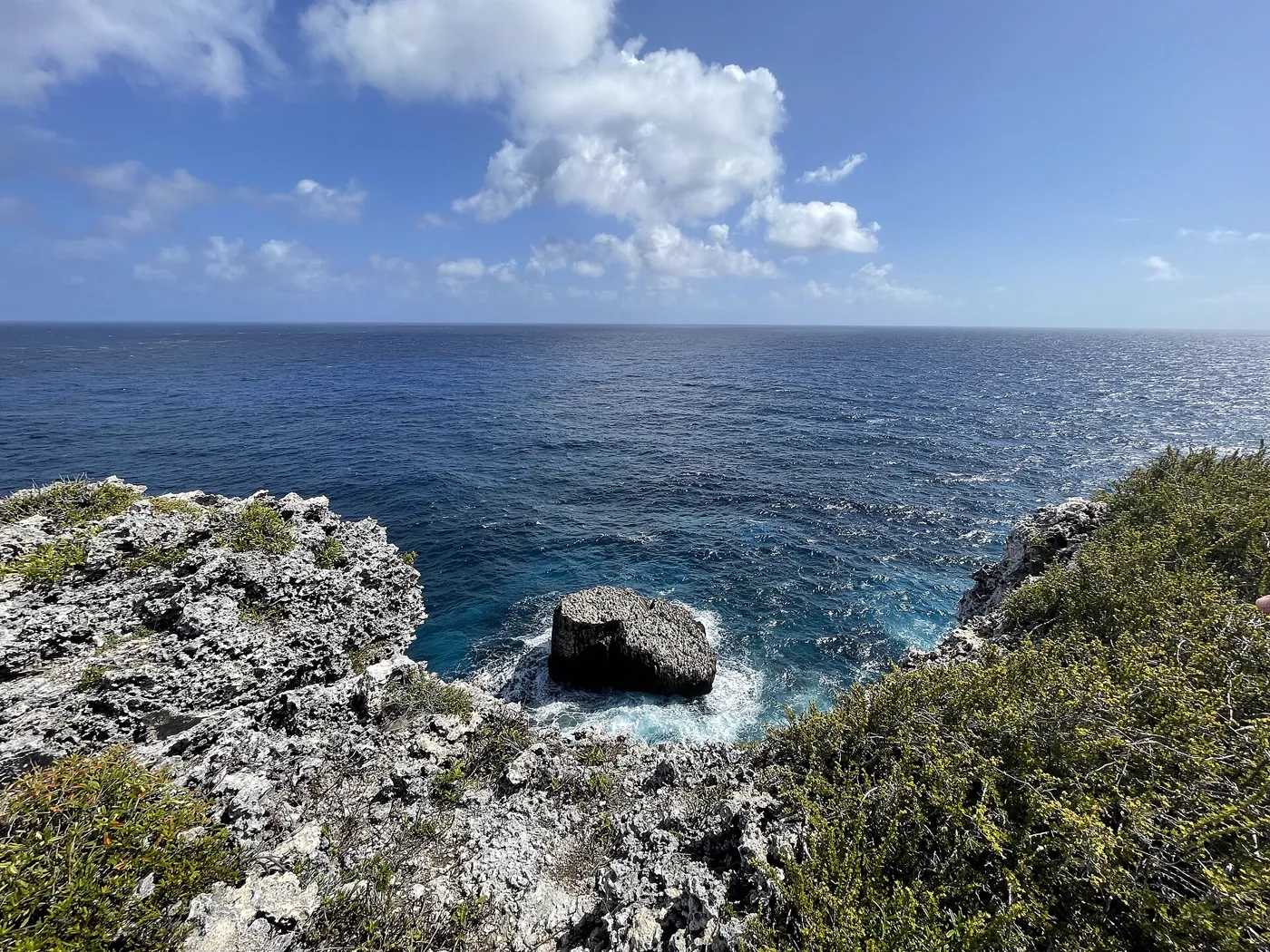
Cayman Brac is the middle of the three Cayman Islands and one of the two Sister Islands, sitting about 90 miles east-northeast of Grand Cayman. It takes its name from the Gaelic word "brac", meaning bluff - and the bluff is exactly what defines it: a great spine of limestone that rises steadily from the western tip to a sheer, dramatic cliff of around 140 feet at the eastern end, where the land simply drops away into the sea.
The island of the Bluff
Nowhere else in the Cayman Islands looks quite like this. Grand Cayman and Little Cayman are low and flat; Cayman Brac wears its bluff like a backbone, and the whole island is oriented around it. Trails climb to lookouts along the top, where the view runs out over the reef and, on clear days, all the way to Little Cayman. The limestone is riddled with caves - some shallow and easy to wander into, others deeper and used historically as shelter during storms - and exploring them is one of the island's signature outings.
The bluff also draws rock climbers, who come for the sea-cliff routes on the sun-warmed limestone, and birdwatchers, who come for the seabirds. Brown boobies nest along the cliffs, and the island's protected areas shelter parrots and migratory species, making the Brac a quietly serious destination for anyone who travels with binoculars.
World-class diving and the wreck
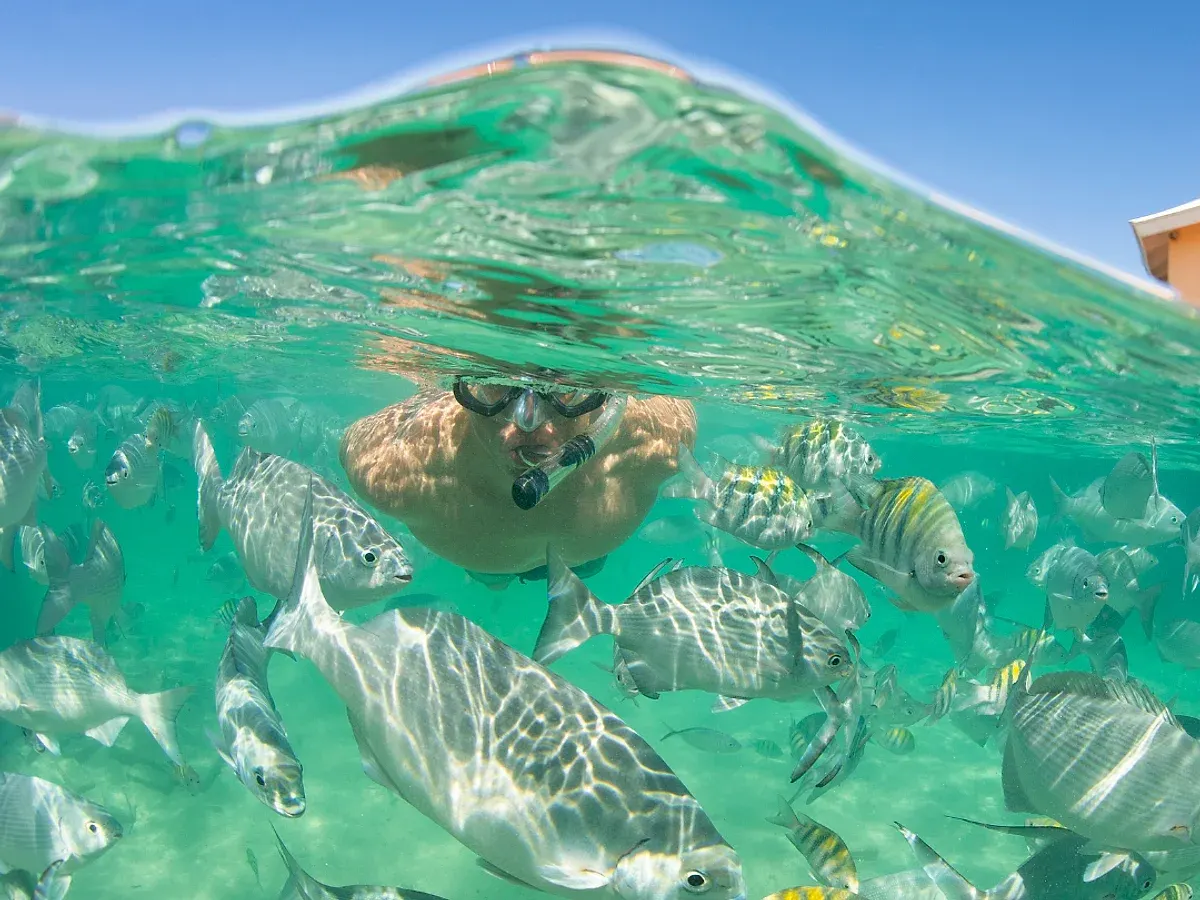
Underwater, Cayman Brac is famous. The reefs drop into steep, coral-covered walls only a short boat ride from shore, and the water is clear and calm enough that the diving is consistently rated among the best in the Caribbean. The headline dive is the MV Captain Keith Tibbetts, a Russian-built frigate deliberately sunk off the island's north-west coast in the 1990s to create an artificial reef. It is one of the few accessible Soviet-era warship wrecks in the western hemisphere, now draped in coral and patrolled by fish, and it sits at a depth that suits both recreational divers and photographers.
Beyond the wreck, the island's walls and shallow reefs offer sponge gardens, swim-throughs and dependable visibility. Because the Brac sees far fewer divers than Grand Cayman, sites rarely feel crowded, and the island's small dive operations know their reefs intimately. Snorkellers, too, can find life close to shore, though the true drama is on the walls a little further out.
Adventure above the water
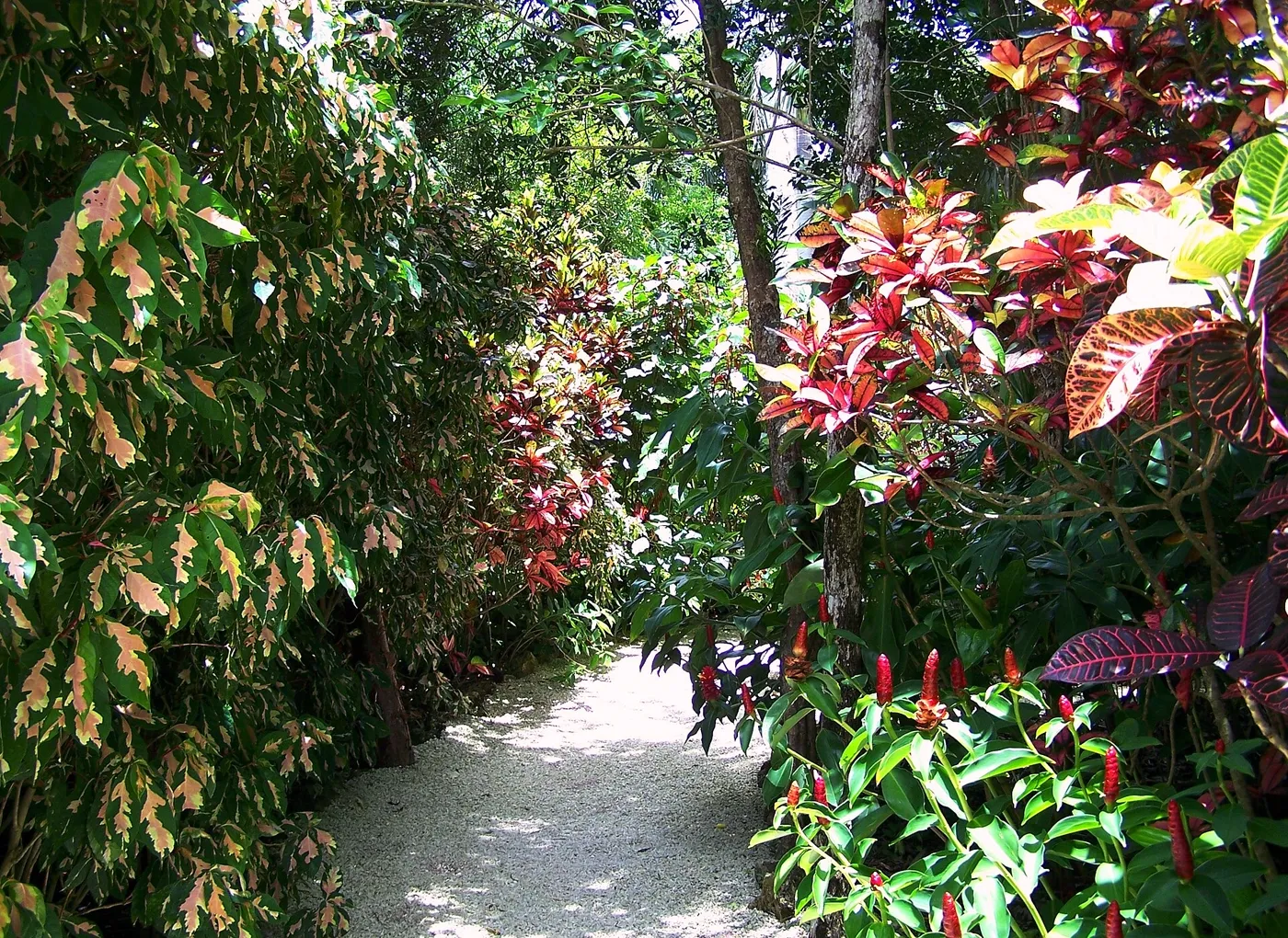
The Brac is an outdoor island. Beyond diving there is caving, cliff climbing, and hiking on trails that thread the bluff and the interior; there are quiet swimming beaches and coves for a slower day, and roads empty enough to make cycling a pleasure. It rewards the curious and the active rather than the crowd-seeker - this is a place to fill a day with the outdoors and then watch the sun go down over the water.
A quieter pace of island life
What visitors remember most is the calm. Cayman Brac has only a small population and a fraction of Grand Cayman's development, so the pace is unhurried and the welcome is genuinely warm - drivers wave, and it is the kind of island where people still greet strangers on the road. There are no crowds, no cruise-ship rush and no traffic to speak of; instead there is space, quiet, and an authentic sense of community that the busier island can't quite match.
Getting there and getting around
Cayman Brac is reached by a short domestic flight from Grand Cayman with the national carrier, Cayman Airways, landing at the island's airport near the western end; the hop takes well under an hour. Schedules and fares change with the season, so check current times and book ahead before you travel. On the island itself a hire car is the easiest way to explore the bluff, the caves and the coast, though distances are short and the roads are quiet.
Good to know before you go
Bring proper footwear for the bluff trails and caves, plenty of water, and sun protection - shade is limited on the exposed cliff-tops. If you have come to dive, arrange it with a local operator in advance, as capacity is smaller than on Grand Cayman. Respect the nesting seabirds and the protected areas, take your litter with you, and check current schedules, times and prices before you visit, as things run on a smaller, more seasonal rhythm here.